

What Is Wildfire Mitigation?


A Guide for Rural Property Owners in the Walla Walla Valley
Every year, wildfire season becomes more intense across the Pacific Northwest. Hotter summers, dry grass, overgrown brush, and wind-driven fires can quickly turn small issues into major threats for rural properties.
But many property owners still aren’t familiar with a term that’s becoming increasingly important:
Wildfire mitigation.
So what does it actually mean?
Wildfire Mitigation Explained

Wildfire mitigation is the process of reducing vegetation and other fire hazards around a property to help slow, redirect, or lessen the intensity of a wildfire.
In simple terms, it means making your property less likely to burn and easier to defend if a fire occurs nearby.
This often includes:
Removing thick brush and dry vegetation
Reducing tall grass and weeds
Creating defensible space around structures
Clearing dead trees and fallen debris
Thinning overcrowded vegetation
Improving access for emergency responders
Reducing “fuel loads” that allow fire to spread quickly
The goal is not to clear-cut the land or make it look bare. Effective wildfire mitigation focuses on selective clearing and strategic vegetation management.
Why It Matters in Eastern Washington

The Walla Walla Valley and surrounding rural areas often experience:
Dry summers
Windy conditions
Fast-moving grass fires
Overgrown fence lines and fields
Heavy brush buildup on unused acreage
Many rural properties also have difficult terrain or areas that haven’t been maintained in years. These conditions can allow fire to spread rapidly.
Even properties that “look green” can still contain large amounts of dry fuel underneath.
That’s why wildfire mitigation is becoming increasingly important for:
Rural homes
Acreage properties
Farm edges
Recreational land
Vacant lots
Hillsides and canyon properties
What Is Defensible Space?

One of the most common parts of wildfire mitigation is creating what’s known as defensible space.
Defensible space is a buffer around structures where vegetation and fire fuels are reduced to help slow or stop approaching wildfire.
This space can:
Reduce flame intensity near buildings
Lower the chance of structures catching fire
Give firefighters a safer area to work
Help prevent fires from spreading across the property
Defensible space requirements vary depending on terrain, vegetation, and local fire risk, but the concept is the same:Create separation between fire fuels and important structures.
Signs Your Property May Need Wildfire Mitigation

Your property may benefit from wildfire mitigation if you have:
Thick blackberry bushes or hawthorn
Tall dry grass
Overgrown fence lines
Dead vegetation or fallen branches
Dense brush near buildings
Unused areas that are difficult to access
Steep terrain with unmanaged growth
Trees with heavy low branches
Vegetation growing underneath trees
Many people wait until fire season is already underway before addressing these issues. But mitigation work is often safer, easier, and more effective when completed early.
Wildfire Mitigation Is Also About Property Management
A lot of customers initially contact Rugged Land because their property simply feels:
Overgrown
Unusable
Difficult to maintain
Unsafe
Hard to access
Wildfire mitigation often improves all of those things at the same time.
Selective clearing can help:
Open up usable space
Improve visibility and access
Restore neglected areas
Reduce pest habitat
Improve property appearance
Make ongoing maintenance easier
How Rugged Land Helps
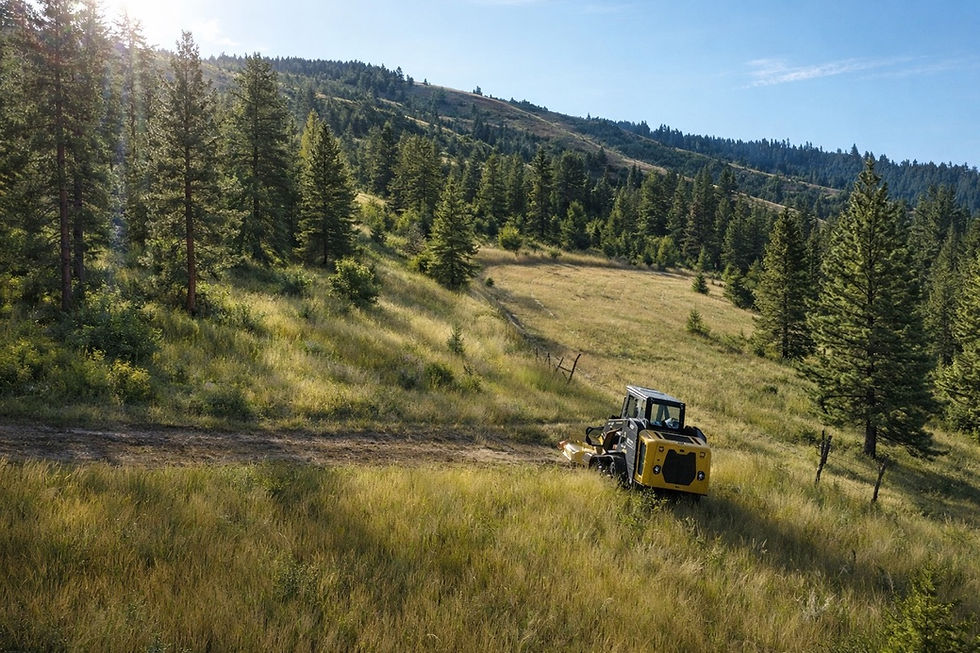
At Rugged Land, we specialize in rural land management, brush clearing, and wildfire mitigation for properties throughout the Walla Walla Valley.
We focus on:
Selective brush clearing
Defensible space creation
Property cleanup
Vegetation management
Difficult terrain access
Rural acreage maintenance
Our goal is to help property owners reclaim and maintain their land while reducing wildfire risk in a practical and sustainable way.

Get a Free Rough Estimate
Not sure if your property needs wildfire mitigation?
Send Rugged Land a few photos of the area you’re concerned about and we can provide a free rough estimate and help you better understand your options.


Comments