

Effective Forest Fire Strategies for Rural Landowners in Southeastern Washington

Living in the Walla Walla Valley means enjoying the beauty of rural life surrounded by forests and open land. However, it also means being mindful of wildfire risks. Forest fires can spread quickly and cause significant damage to property and natural resources. Taking proactive steps to reduce these risks is essential for protecting your land and community. This guide offers practical, steady advice on effective forest fire strategies tailored for rural landowners in wildfire-prone areas.
Understanding Forest Fire Strategies for Your Property
Managing wildfire risk starts with understanding how fires ignite and spread. In southeastern Washington, dry summers and dense brush create ideal conditions for wildfires. The key to protecting your property lies in reducing fuel sources and creating defensible spaces.
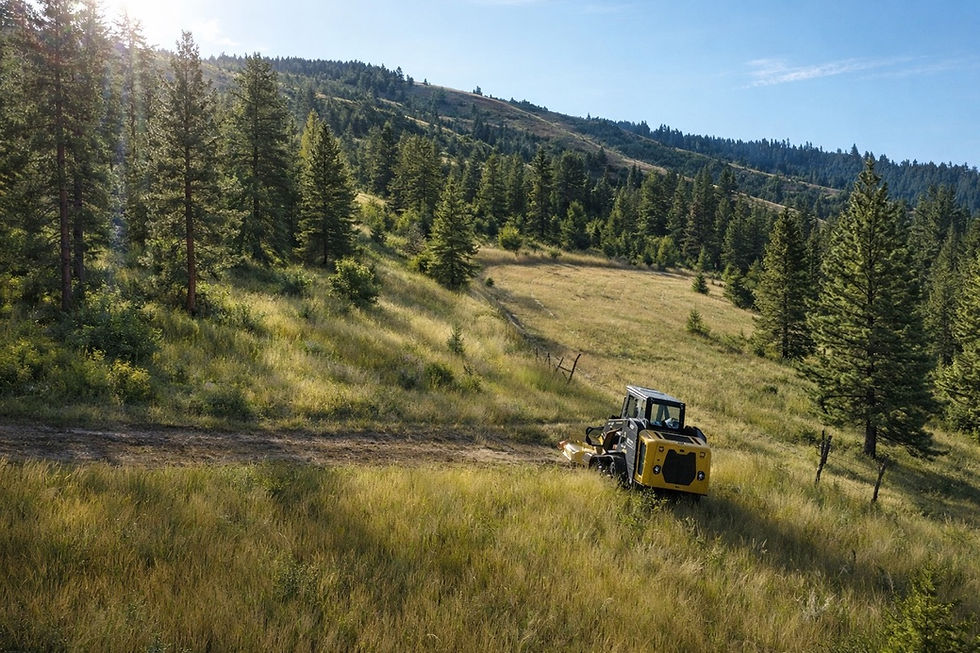
Fuel reduction involves removing or thinning out brush, dead trees, and other flammable materials. This slows the fire’s progress and gives firefighters a better chance to control it. Our approach focuses on sustainable brush removal, ensuring that trees and debris are repurposed into custom lumber or firewood, so nothing goes to waste.
Defensible space means maintaining a buffer zone around your home and structures. This space should be clear of dry vegetation and other combustible materials. It acts as a protective barrier, reducing the chance that flames will reach your buildings.
By combining these strategies, you create a safer environment that minimizes wildfire impact while enhancing your land’s usability.

Key Forest Fire Strategies to Implement Today
There are several practical steps you can take to reduce wildfire risk on your property. These forest fire strategies are straightforward and effective:
Regular Brush and Debris Removal: Schedule seasonal cleanups to remove dead branches, dry leaves, and dense undergrowth. This reduces the amount of fuel available for a fire.
Tree Thinning and Pruning: Thin out crowded trees and prune lower branches to prevent fire from climbing into the canopy.
Fire-Resistant Landscaping: Use plants that are less flammable and maintain green, well-watered vegetation near your home.
Safe Storage of Firewood and Flammable Materials: Keep firewood piles and propane tanks away from structures and clear of dry vegetation.
Access and Evacuation Planning: Maintain clear driveways and access roads for emergency vehicles and plan safe evacuation routes.
These strategies not only reduce fire risk but also improve the overall health and appearance of your land.

What are 5 Ways to Prevent Wildfires?
Preventing wildfires requires a combination of awareness and action. Here are five effective ways to help keep your property and community safe:
Create and Maintain Defensible Space
Clear vegetation at least 30 feet around your home. Remove dead plants, dry leaves, and anything that can easily catch fire.
Practice Safe Outdoor Burning
If you burn brush or debris, do so only on calm, non-windy days. Always have water and tools nearby to control the fire.
Use Fire-Resistant Building Materials
When building or renovating, choose roofing and siding materials that resist ignition from embers.
Maintain Equipment Properly
Ensure lawnmowers, chainsaws, and other equipment are in good condition and free of sparks or leaks that could start a fire.
Report Suspicious Activity
If you see unattended fires or unsafe behavior, notify local authorities promptly to prevent accidental wildfires.
By following these steps, you contribute to a safer environment for everyone in the region.
Sustainable Brush Removal and Land Maintenance
One of the most effective ways to reduce wildfire risk is through sustainable brush removal. This process involves clearing unwanted vegetation while respecting the natural ecosystem and making use of the materials removed.
Rugged Land specializes in removing brush and debris in a way that benefits your property and the environment. Trees and branches are never wasted; they are transformed into custom lumber for woodworking projects or split into firewood for heating. This approach supports your land’s health and provides valuable resources.
Regular land maintenance also includes trail upkeep and erosion control, which help maintain access and reduce fire hazards. Keeping your property well-managed not only lowers wildfire risk but also enhances its beauty and functionality.
Early Preparation Pays Off
Wildfire season can be unpredictable, but early preparation is your best defense. Taking time in the off-season to assess your property, remove excess fuel, and plan your wildfire mitigation efforts will save stress and resources later.
Consider scheduling brush removal and tree thinning well before the dry months. This proactive approach ensures your land is in the best possible condition to withstand fire threats. Remember, preparation is a steady, ongoing process not a last-minute rush.
By investing in these efforts now, you protect your home, your land, and your peace of mind.
Taking these forest fire strategies seriously helps create a safer, more resilient property in the Walla Walla Valley. With thoughtful planning and sustainable land management, you can reduce wildfire risks while enhancing your land’s value and usability. For expert assistance in brush removal, wildfire mitigation, and custom woodworking, Rugged Land is here to support your goals with reliable, high-quality service.
Explore more about forest fire prevention strategies and start protecting your property today.


Comments