

Effective Wildfire Risk Reduction: Practical Strategies for Rural Landowners

Living in the Walla Walla Valley means enjoying the beauty of rural life, but it also comes with the responsibility of managing wildfire risks. Wildfires can spread quickly, especially in areas with dense brush and dry conditions. Taking proactive steps to reduce wildfire risk on your property is essential for protecting your land, home, and community. This guide offers clear, practical advice on how to prepare your property effectively and sustainably.
Understanding Wildfire Risk Reduction on Your Property
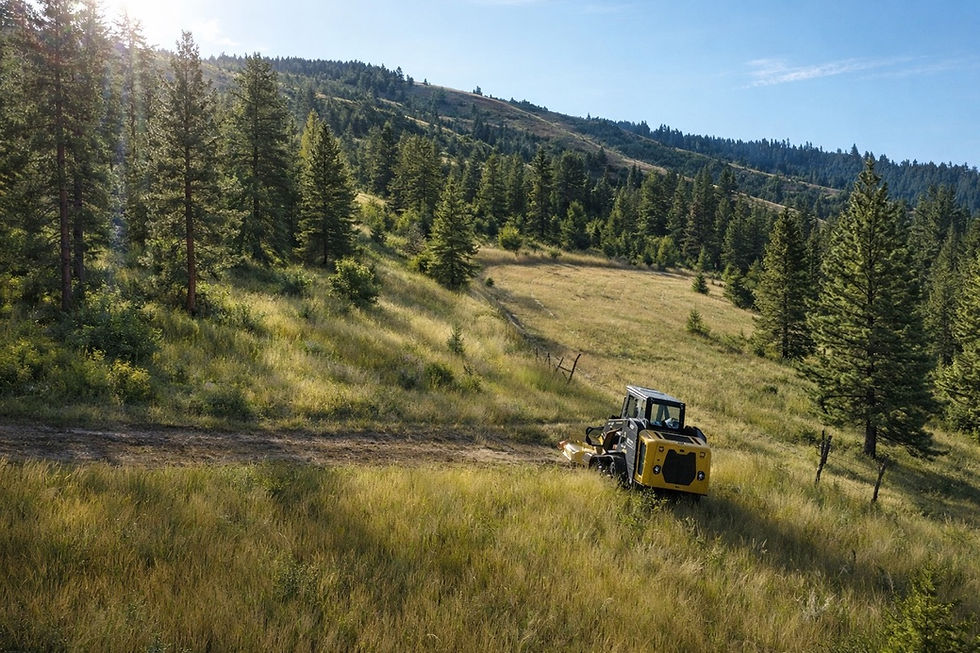
Wildfire risk reduction involves creating defensible space around your home and managing vegetation to slow or stop the spread of fire. This is especially important in southeastern Washington, where dry summers and abundant brush create ideal conditions for wildfires.
Key steps for wildfire risk reduction include:
Clearing brush and dead vegetation: Removing dry, dead plants reduces fuel for fires.
Thinning trees: Spacing out trees prevents fire from jumping from one to another.
Maintaining green, healthy plants: Moist, well-watered plants are less likely to ignite.
Creating firebreaks: Paths or clearings that stop or slow fire spread.
By focusing on these areas, you can significantly lower the chance of wildfire damage. Sustainable removal of unwanted brush and trees not only protects your property but also supports the environment. For example, trees removed can be repurposed into custom lumber or firewood, ensuring nothing goes to waste.
What is the 30/30/30 Rule for Fire?
The 30/30/30 rule is a simple guideline to help you understand when wildfire risk is highest and when to take extra precautions:
30% Relative Humidity or lower: Dry air increases fire risk.
30 mph Winds or higher: Strong winds can spread fire rapidly.
30% or less Fuel Moisture: Dry vegetation ignites more easily.
When these three conditions occur together, wildfire danger is at its peak. During these times, avoid outdoor burning, use caution with machinery, and ensure your property is well-prepared.
Understanding this rule helps you plan your wildfire risk reduction activities and stay safe during high-risk periods.

Sustainable Brush and Tree Removal: A Responsible Approach
Removing unwanted brush and trees is a critical part of wildfire risk reduction, but it should be done thoughtfully. Sustainable removal practices benefit both your property and the environment.
Selective thinning: Remove only the necessary trees and brush to reduce fire risk while preserving healthy vegetation.
Repurposing wood: Trees and brush removed can be turned into custom lumber for woodworking projects or split into firewood. This approach minimizes waste and supports local needs.
Avoiding soil disturbance: Use low-impact equipment and techniques to protect soil health and prevent erosion.
By choosing sustainable methods, you maintain the natural balance of your land while enhancing its safety and usability.
Early Preparation Pays Off: Planning Your Wildfire Mitigation
Preparation is key to effective wildfire risk reduction. Starting early allows you to schedule brush clearing and tree thinning before the fire season begins. This proactive approach reduces stress and ensures your property is ready when conditions become dry and windy.
Consider working with local experts who understand the unique challenges of the Walla Walla Valley landscape. They can help you develop a customized plan that fits your property’s needs and your goals.
Remember, wildfire mitigation is not a one-time task but an ongoing commitment. Regular maintenance and monitoring keep your land safe year after year.
Taking these steps will help you protect your rural property from wildfire threats while enhancing its natural beauty and value. With steady, thoughtful care, you can enjoy peace of mind knowing your land is prepared for the challenges ahead.


Comments