

The Importance of Removing Dense Vegetation from Rural Properties in Eastern Washington

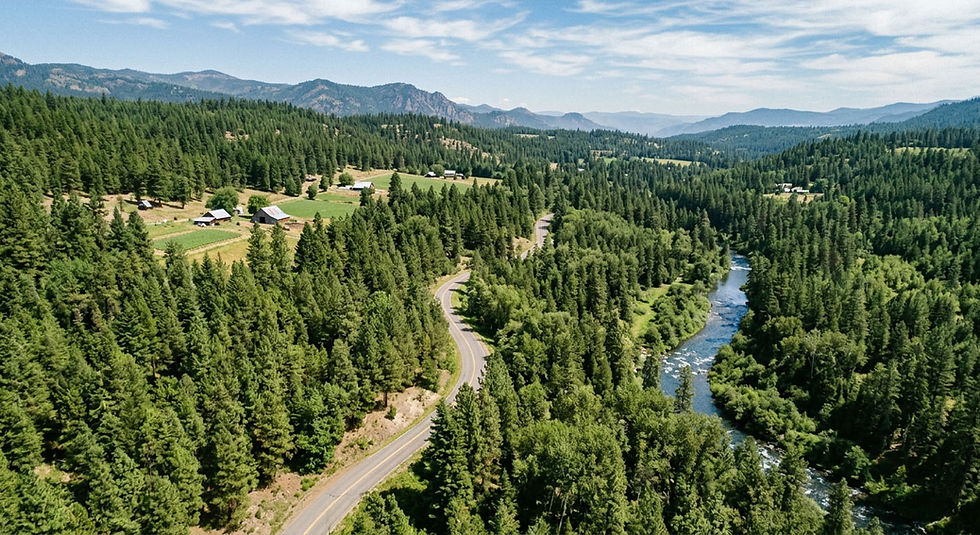
Rugged Land Services: Assisting Landowners in Vegetation Clearance and Land Reclamation
Rugged Land Services provides essential support to landowners looking to clear dense vegetation and reclaim their land for various purposes. Their services include:
Vegetation Management: Utilizing advanced equipment and techniques to effectively clear unwanted brush, trees, and other dense vegetation.
Land Reclamation: Restoring the land to a usable state, ensuring it is suitable for agriculture, development, or recreational use.
Customized Solutions: Offering tailored services based on the specific needs and conditions of each property, ensuring optimal results.
Environmental Considerations: Implementing eco-friendly practices to minimize impact on the surrounding ecosystem while achieving land clearing goals.
Expert Consultation: Providing guidance and expertise to landowners throughout the reclamation process, helping them make informed decisions.
Through these services, Rugged Land Services empowers landowners to transform their properties, enhancing both functionality and value.
Rural landowners in Eastern Washington face a unique challenge: managing dense vegetation that can quickly take over their properties. This thick growth not only affects the natural beauty of the land but also poses serious risks to safety, property value, and land usability. Understanding how dense vegetation removal works and why it matters can help property owners maintain healthy, productive land.

Why Dense Vegetation Removal Matters
Dense vegetation can grow rapidly in Eastern Washington’s climate, especially on rural properties where land management practices may be less frequent. This thick brush and undergrowth create several problems:
Fire Hazard: Dense vegetation acts as fuel during dry seasons. Eastern Washington is prone to wildfires, and unmanaged brush increases the risk of fire spreading quickly.
Pest and Wildlife Issues: Overgrown areas provide shelter for pests like rodents and invasive species, which can damage crops and structures.
Reduced Land Use: Thick brush limits access to parts of the property, making farming, grazing, or recreational use difficult.
Property Value Impact: Overgrown land can reduce the appeal and market value of rural properties.
Removing dense vegetation is not just about aesthetics; it is a critical step in protecting your land and investment.
Challenges of Dense Vegetation Removal in Rugged Terrain
Eastern Washington’s rural properties often feature rugged terrain, including hills, rocky outcrops, and uneven ground. These conditions make dense vegetation removal more complicated than simply mowing a lawn.
Access Difficulties: Heavy machinery may struggle to reach steep or rocky areas.
Safety Concerns: Workers face risks from unstable ground, hidden wildlife, and sharp plants.
Environmental Sensitivity: Some areas may contain protected plants or wildlife habitats that require careful handling.
Because of these challenges, landowners often need specialized equipment and experienced crews familiar with brush clearing near Walla Walla and other parts of Eastern Washington.
Effective Methods for Dense Vegetation Removal
Several techniques are used to clear dense vegetation, depending on the property’s size, terrain, and goals.
Mechanical Clearing
Using heavy machinery like brush cutters, mulchers, and bulldozers is common for large areas. These machines can quickly remove thick brush and small trees.
Best for relatively accessible land with moderate slopes.
Can leave mulch that helps prevent erosion.
Requires skilled operators to avoid damaging the land.
Manual Clearing
Hand tools such as chainsaws, machetes, and brush axes are used in areas where machinery cannot reach.
Ideal for rugged terrain or environmentally sensitive zones.
More labor-intensive but allows precise control.
Often combined with mechanical methods for best results.
Controlled Burning
In some cases, controlled burns are used to reduce dense vegetation safely.
Requires permits and professional supervision.
Helps restore natural ecosystems by clearing old growth.
Not suitable near homes or during dry, windy conditions.
Herbicide Application
Selective herbicides can target invasive or unwanted plants.
Used carefully to avoid harming desirable vegetation.
Often part of a long-term land management plan.
Best Practices for Land Management in Eastern Washington
Proper land management involves more than just clearing brush once. It requires ongoing care to prevent dense vegetation from returning and to maintain a healthy ecosystem.
Regular Inspections: Check your property seasonally for new growth or problem areas.
Strategic Clearing: Focus on firebreaks, access roads, and around structures.
Native Plant Restoration: After clearing, plant native grasses or shrubs that resist overgrowth and support local wildlife.
Soil Conservation: Use mulching and erosion control techniques to protect soil on slopes.
Professional Help: Hire experts familiar with brush clearing near Walla Walla who understand local conditions and regulations.
Case Study: Brush Clearing on a Walla Walla Ranch
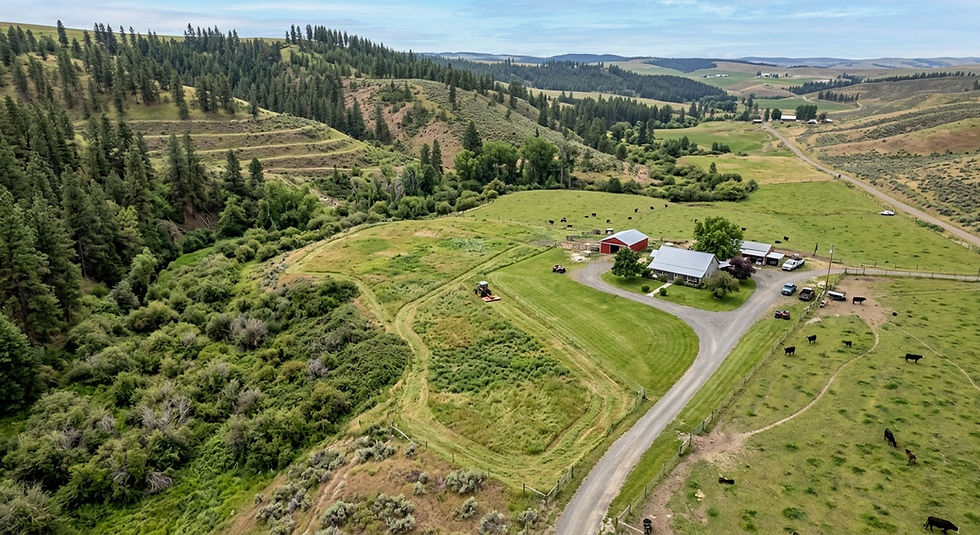
A land owner near Walla Walla struggled with dense vegetation that limited grazing space and increased wildfire risk. The owner hired Rugged Land Services to assess the property. The team used a combination of mechanical clearing on accessible slopes and manual cutting in rugged areas. They also created firebreaks around the main buildings and replanted native grasses to stabilize the soil.
Soon after, the land saw improved pasture quality, easier access for equipment, and a reduced fire threat. This example shows how targeted dense vegetation removal can transform rural properties.
Environmental Considerations
Removing dense vegetation must balance land use needs with environmental protection. Eastern Washington’s ecosystems include sensitive habitats that support wildlife and native plants.
Avoid clearing during bird nesting seasons.
Protect waterways from sediment runoff.
Use selective clearing to preserve important trees and shrubs.
Consult local conservation agencies for guidance.
Responsible land management supports both property goals and the health of the surrounding environment.
Tools and Equipment for Dense Vegetation Removal
For landowners interested in DIY clearing or understanding professional methods, here are common tools used:
Brush Mowers and Mulchers: Cut and shred thick brush quickly.
Chainsaws and Pole Saws: For cutting trees and tall shrubs.
Hand Tools: Axes, machetes, and pruning shears for detailed work.
ATVs with Attachments: Useful for rough terrain access.
Erosion Control Blankets: To protect soil after clearing.
Choosing the right tools depends on terrain, vegetation type, and the scale of the project.
Safety Tips for Dense Vegetation Removal
Clearing dense vegetation can be hazardous. Follow these safety tips:
Wear protective clothing: gloves, eye protection, long sleeves, and sturdy boots.
Use hearing protection when operating loud machinery.
Be aware of wildlife such as snakes or ticks.
Work with a partner or inform someone of your plans.
Take breaks to avoid fatigue, especially in hot weather.
Follow manufacturer instructions for all equipment.
Safety ensures the job gets done without injury or accidents.

Services Offered by Rugged Land
Rugged Land is dedicated to supporting rural landowners in the Walla Walla Valley, Milton-Freewater, Dayton, and surrounding areas. Our range of services includes:
We are committed to helping you maximize the potential of your land while preserving its natural beauty and resources. Contact us today to schedule a free estimate.


Comments