

Property Brush Clearing: Cleaning Up Overgrown Properties - A Step-by-Step Guide

Owning rural land in the Walla Walla Valley comes with unique challenges and rewards. One of the most common tasks landowners face is managing overgrown vegetation. Over time, brush, weeds, and small trees can take over a property, making it less usable and increasing wildfire risk. This guide offers a calm, clear approach to property brush clearing, helping you reclaim your land safely and sustainably.
Understanding Property Brush Clearing: Why It Matters
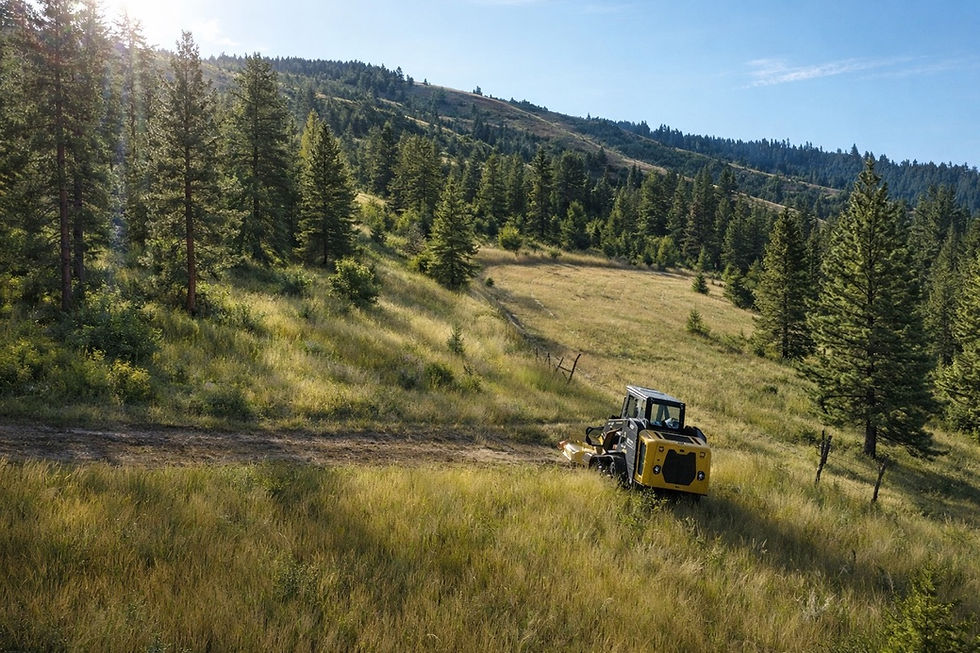
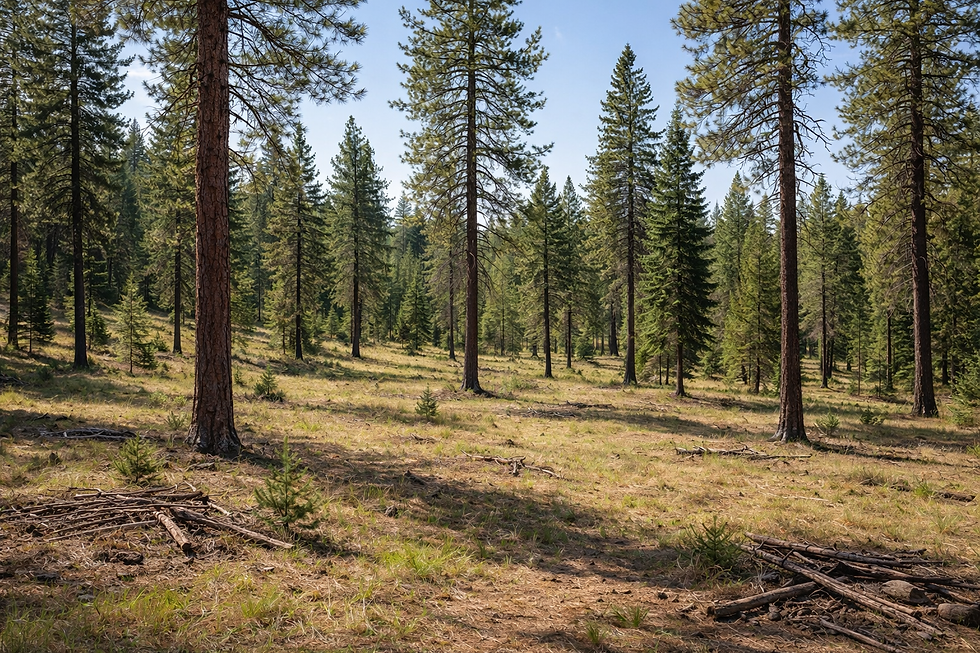
Property brush clearing is more than just tidying up. It’s about creating a safer, healthier environment for your land. Overgrown areas can harbor pests, block access, and fuel wildfires. Clearing brush reduces these risks and improves the overall look and function of your property.
When you clear brush, you also open up opportunities for other land uses. Whether you want to create trails, build structures, or simply enjoy open space, managing vegetation is the first step. Sustainable clearing practices ensure that removed trees and brush don’t go to waste. For example, wood can be repurposed into custom lumber or firewood, supporting both your needs and the environment.
Key benefits of property brush clearing include:
Reduced wildfire risk by removing excess fuel
Improved access for vehicles and equipment
Enhanced aesthetics and property value
Better habitat management for local wildlife
Opportunities for custom woodworking projects from reclaimed wood

Step-by-Step Guide to Property Brush Clearing
Taking on an overgrown property can feel overwhelming. Breaking the process into manageable steps helps you stay organized and effective.
1. Assess Your Property
Start by walking your land and noting areas with the heaviest growth. Identify any hazards like dead trees, thorny plants, or uneven terrain. Consider your goals: Are you clearing for wildfire mitigation, trail creation, or general maintenance?
2. Plan Your Approach
Decide which areas to clear first and what tools or equipment you’ll need. For large properties, professional help may be necessary. Plan for debris removal or repurposing. Remember, trees and brush don’t have to be waste - they can become firewood or custom lumber.
3. Gather Tools and Safety Gear
Basic tools include:
Chainsaws or handsaws
Brush cutters or weed whackers
Gloves, eye protection, and sturdy boots
Rakes and wheelbarrows for debris
Safety is paramount. Wear protective clothing and work with a partner if possible.
4. Begin Clearing
Start with smaller brush and weeds, then move to larger trees. Cut vegetation close to the ground to prevent regrowth. Remove debris promptly to avoid creating new fire hazards.
5. Dispose or Repurpose Debris
Instead of burning or hauling away brush, consider sustainable options. Wood can be milled into lumber or split for firewood. This approach supports local craftsmanship and reduces waste.
6. Maintain Your Land
Regular maintenance prevents overgrowth from returning. Schedule seasonal checks and clear new growth early.

Can I Force My Neighbor to Clean Up Their Yard?
Living in rural areas means neighbors’ properties can impact your own, especially when it comes to wildfire risk. If a neighbor’s yard is overgrown, you might wonder if you can compel them to clean it up.
In most cases, local ordinances or county regulations govern property maintenance. These rules often include requirements for fire safety, such as clearing brush within a certain distance of structures. If a neighbor’s property poses a hazard, you can:
Contact your local fire department or code enforcement office to report concerns.
Request a formal inspection to determine if the property violates safety codes.
Engage in a friendly conversation with your neighbor to discuss mutual safety interests.
Legal action is usually a last resort and can be complicated. Building good relationships and encouraging cooperative efforts often leads to better outcomes for everyone.
Sustainable Practices for Overgrown Property Cleanup
When managing overgrown land, sustainability should be a priority. This means minimizing environmental impact and maximizing resource use.
Selective Clearing: Focus on removing invasive or hazardous plants while preserving native species.
Mulching: Use brush and small branches as mulch to enrich soil and prevent erosion.
Wood Repurposing: Turn felled trees into custom lumber or firewood, supporting local crafts and heating needs.
Wildlife Considerations: Leave some brush piles or snags to provide habitat for birds and small mammals.
By adopting these practices, you protect your land’s health and contribute to the broader ecosystem.
For those interested in professional assistance, overgrown property cleanup services can offer expert solutions tailored to your land’s needs.
Preparing for Seasonal Changes and Wildfire Risk
The Walla Walla Valley’s climate means wildfire risk varies throughout the year. Preparing your property ahead of fire season is crucial.
Early Booking: Schedule brush clearing well before the dry months. This ensures your land is ready and reduces last-minute stress.
Create Defensible Space: Clear vegetation around buildings and structures to slow fire spread.
Maintain Access Routes: Keep driveways and trails clear for emergency vehicles.
Stay Informed: Monitor local fire danger levels and follow guidance from fire authorities.
Consistent preparation helps protect your property and community.
Enhancing Your Land’s Usability Post-Clearing
Once your property is cleared, consider ways to make the most of your reclaimed space.
Trail Development: Create walking or ATV trails for recreation and access.
Custom Woodworking Projects: Use reclaimed wood to build fences, furniture, or garden structures.
Wildlife Habitat Improvement: Plant native species and install birdhouses or feeders.
Firewood Storage: Organize split wood for efficient drying and use.
These enhancements increase your property’s value and enjoyment.
Taking the time to carefully clear and maintain your rural land in the Walla Walla Valley is an investment in safety, beauty, and functionality. With steady planning and sustainable practices, you can transform overgrown areas into valuable, manageable spaces that serve your needs for years to come.

Comments