

Achieving Sustainable Forestry Practices with Eco-Friendly Forestry Methods

Managing rural land in wildfire prone areas like the Walla Walla Valley requires a thoughtful approach to forestry. The goal is to maintain healthy forests, reduce wildfire risks, and make the land more usable and productive. This means adopting eco-friendly forestry methods that balance the needs of the environment with practical land management. By carefully removing unwanted brush and debris, and repurposing trees into custom lumber or firewood, landowners can protect their property while supporting the local ecosystem.
Understanding Eco-Friendly Forestry Methods
Eco-friendly forestry methods focus on maintaining forest health and biodiversity while minimizing environmental impact. These methods include selective tree removal, controlled thinning, and preserving native plants. The idea is to work with nature, not against it, ensuring that the forest can regenerate and thrive over time.
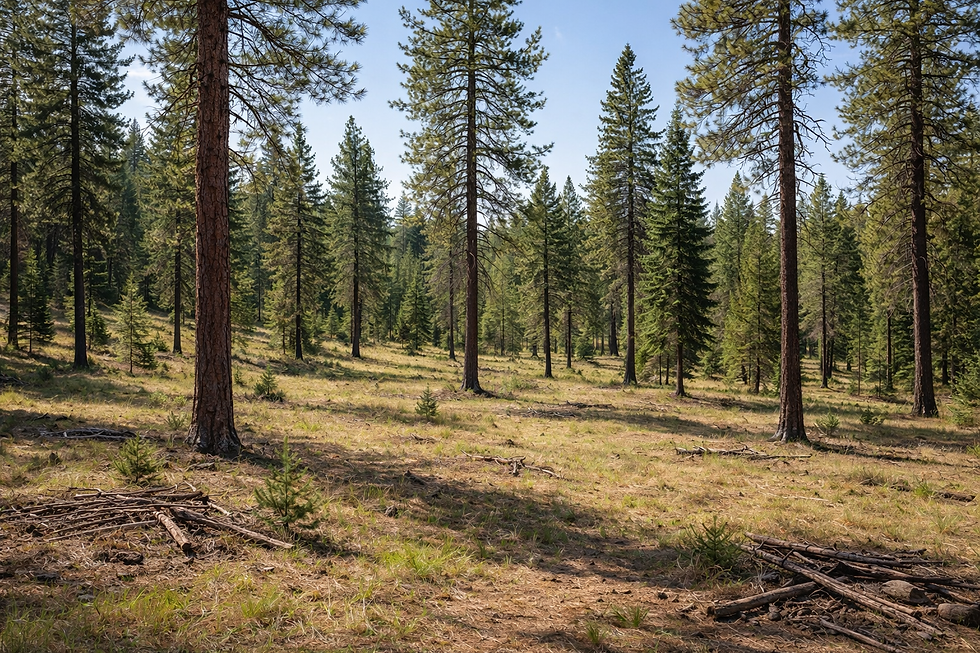
For example, instead of clear-cutting large areas, selective thinning removes only the trees that are overcrowded or unhealthy. This opens up space for sunlight to reach the forest floor, encouraging the growth of native grasses and shrubs that support wildlife. Additionally, removing dead or diseased trees reduces fuel for wildfires, lowering the risk of catastrophic fires.
Practical steps for eco-friendly forestry include:
Regularly assessing forest health to identify areas needing attention.
Removing invasive species that compete with native plants.
Using low-impact machinery to minimize soil disturbance.
Turning removed trees into useful products like custom lumber or firewood, ensuring nothing goes to waste.
The Importance of Sustainable Forestry Practices
Implementing sustainable forestry practices is essential for long-term land stewardship. These practices help maintain the balance between forest productivity and conservation. They also contribute to wildfire mitigation, which is critical in regions like southeastern Washington.
Sustainable forestry means managing forests so they continue to provide resources and benefits for future generations. This includes protecting soil quality, water resources, and wildlife habitats. By removing brush and debris responsibly, landowners reduce fire hazards while supporting forest regeneration.
One key aspect is ensuring that all removed materials are repurposed. Trees taken down during thinning or clearing are not wasted but transformed into valuable products. This approach supports a circular economy and reduces the environmental footprint of land management activities.
What are the 5 Agroforestry Practices?
Agroforestry combines agriculture and forestry to create more diverse, productive, and sustainable land-use systems. Here are five common agroforestry practices that can be adapted to rural properties:
Alley Cropping
Planting rows of trees alongside crops. This provides shade, wind protection, and improves soil health.
Silvopasture
Integrating trees with livestock grazing. Trees offer shelter and forage, while animals help manage undergrowth.
Forest Farming
Cultivating high-value crops like mushrooms or medicinal plants under a managed forest canopy.
Riparian Buffers
Planting trees and shrubs along waterways to protect water quality and reduce erosion.
Windbreaks
Rows of trees planted to reduce wind speed, protecting crops, soil, and buildings.
These practices not only improve land productivity but also enhance biodiversity and resilience against climate challenges.

Practical Tips for Landowners in Wildfire-Prone Areas
Managing land in wildfire-prone regions requires ongoing attention and preparation. Here are some practical tips to help reduce wildfire risk while maintaining a healthy forest:
Create defensible space around buildings by clearing brush and dead vegetation within at least 30 feet.
Thin dense tree stands to reduce fuel loads and improve forest health.
Remove ladder fuels such as low branches that allow fire to climb into the canopy.
Maintain trails and access roads for emergency vehicles and fire crews.
Use removed wood wisely by turning it into firewood or custom lumber, supporting sustainable forestry efforts.
Schedule regular maintenance during cooler, wetter months to reduce fire risk during work.
Early planning and consistent care pay off in the long run. By preparing your land well in advance, you can protect your property and enjoy a safer, more productive environment.
Enhancing Your Property’s Usability and Value
Beyond wildfire mitigation, sustainable land management improves the overall usability and value of your property. Clearing unwanted brush and debris opens up space for recreation, gardening, or additional structures. Custom woodworking projects using your own lumber add unique, personal touches to your home or outbuildings.
Consider these ideas to enhance your land:
Build trails for hiking, horseback riding, or ATV use.
Create firewood supplies for winter heating, reducing reliance on external sources.
Develop custom furniture or outdoor features from your own sustainably harvested wood.
Establish wildlife-friendly habitats by preserving native plants and creating water sources.
These improvements not only increase your enjoyment of the land but also contribute to its long-term health and sustainability.
Stewardship for the Future
Taking care of your land is a continuous journey. By adopting eco-friendly forestry methods and integrating sustainable forestry practices, you ensure that your property remains a safe, productive, and beautiful place for years to come. Thoughtful land management reduces wildfire risks, supports local ecosystems, and creates valuable resources from what might otherwise be waste.
Remember, preparation and steady care are your best tools. Whether you’re clearing brush, thinning trees, or planning custom woodworking projects, each step contributes to a healthier landscape. Working with trusted experts who understand the unique challenges of the Walla Walla Valley can make this process smoother and more effective.
By embracing these principles, you become a steward of the land, preserving its value and vitality for future generations.


Comments