

How to Remove Dense Vegetation From Your Property: A Step-by-Step Guide

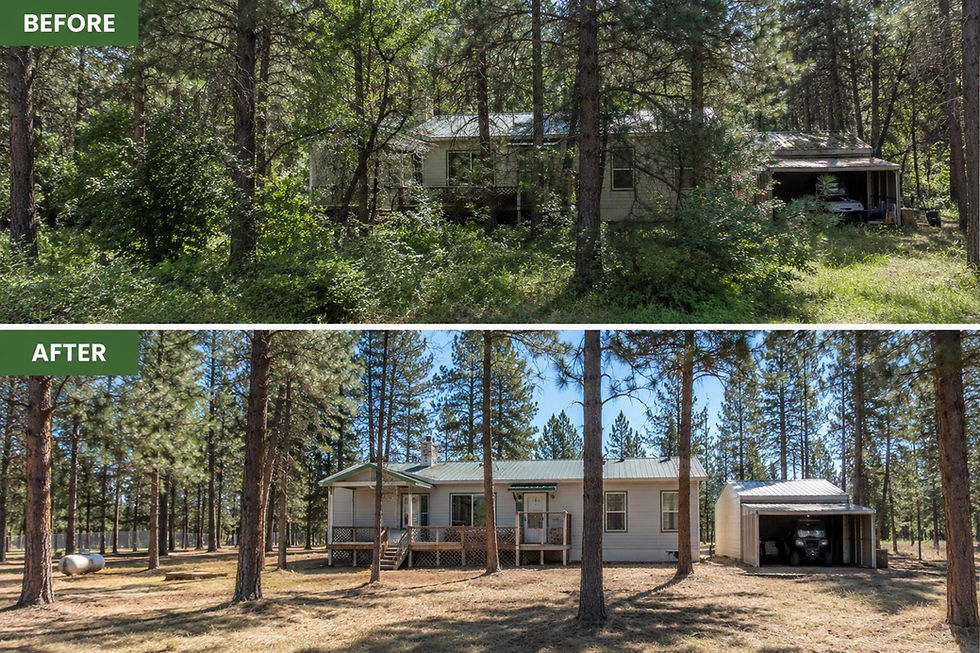
If you've looked at an overgrown section of your property and wondered where to even begin, you're not alone. Dense vegetation can quickly take over vacant land, pastures, fence lines, creek banks, and wooded areas, making them difficult to access and increasing wildfire risk.
If you're dealing with tall grass, thick brush, invasive blackberries, poison hemlock, or small saplings, this guide will walk you through the safest and most effective approach to reclaiming your land.
Why Dense Vegetation Shouldn't Be Ignored

Overgrown vegetation is more than just an eyesore. It can create several problems, including:
Increased wildfire fuel during the summer months
Reduced access to buildings, fences, and equipment
Habitat for rodents, snakes, and other unwanted pests
Faster spread of invasive plants like Himalayan blackberries
Reduced usability of pastures and open land
Hidden obstacles that make maintenance more difficult
The longer vegetation is left unmanaged, the more difficult and expensive it typically becomes to remove.
Step 1: Identify What You're Dealing With
Before starting any clearing project, determine what types of vegetation are present.
Common examples include:
Tall grass
Brush and weeds
Himalayan blackberries
Poison hemlock
Scotch broom
Hawthorn
Small trees and saplings
Multiflora rose
Knowing what you're removing helps determine the safest and most effective removal method.
Step 2: Walk the Property

Never begin mowing or brush cutting without inspecting the area first.
Look for:
Rocks and stumps
Hidden wire or fencing
Irrigation pipe
Old equipment
Drainage ditches
Utility boxes
Steep slopes
Wet or soft ground
Taking time to identify hazards can prevent equipment damage and injuries.
Step 3: Choose the Right Equipment

Different vegetation requires different tools.
Light Vegetation
Brush mower
String trimmer
Push mower
Thick Brush
Skid steer with a brush cutter
Root grapple
Tree grubber
Chainsaw for larger material
Dense Blackberry Patches
Blackberries often require multiple steps:
1. Cut the canes down.
2. Remove large root crowns where practical.
3. Dispose of heavy debris.
4. Apply herbicide if long-term control is desired.
5. Continue mowing new growth as it appears.
Step 4: Work From the Outside In

Rather than driving directly into heavy vegetation, begin by clearing around the perimeter.
This approach allows you to:
Maintain visibility
Create escape routes
Avoid hidden obstacles
Make debris easier to manage
As access improves, continue working inward until the area is completely cleared.
Step 5: Remove Debris

Vegetation removal often creates piles of brush and woody debris.
Options include:
Chipping
Hauling away
Burning where permitted
Creating habitat piles where appropriate
Removing debris not only improves the appearance of the property but also reduces future fire hazards.
Step 6: Prevent the Vegetation From Returning

Many invasive plants will grow back if no follow-up maintenance is performed.
Consider:
Regular mowing
Herbicide treatment where appropriate
Overseeding desirable grasses
Mulching
Annual maintenance visits
Routine maintenance is usually much less expensive than allowing vegetation to become overgrown again.
Safety Tips
Dense vegetation can hide numerous hazards.
Always:
Wear eye protection
Use hearing protection
Wear gloves and sturdy boots
Watch for poison hemlock and other toxic plants
Be aware of wildlife
Never operate equipment beyond your experience level
If visibility is poor or terrain is steep, consider hiring a professional.
When Should You Hire a Professional?
Some projects are better handled with specialized equipment.
Professional brush clearing may be the best option if:
Vegetation is over six feet tall.
Blackberries have taken over the property.
The terrain is steep.
Large equipment is buried in vegetation.
You need wildfire fuel reduction.
The property hasn't been maintained for several years.
Professional equipment can often complete in hours what would otherwise take days of manual labor.
Reclaim Your Property
Dense vegetation doesn't have to stay that way. Whether your goal is wildfire mitigation, pasture restoration, property cleanup, or simply making your land usable again, removing overgrown vegetation is one of the best investments you can make in your property.
With the right planning, proper equipment, and ongoing maintenance, even severely overgrown land can be transformed into safe, accessible, and usable space once again.
If you're located in the Walla Walla Valley or surrounding areas of Eastern Washington and Oregon, Rugged Land specializes in dense vegetation removal, brush clearing, pasture mowing, wildfire fuel reduction, and land reclamation using professional skid steer equipment designed for challenging terrain.


Comments